

When it comes to the world of soccer, FIFA is the ultimate gatekeeper, holding the keys to the beautiful game. But behind the glitz of World Cups and the thrill of international tournaments lies a treasure trove of secrets that even the most die-hard fans might not know. From bizarre rules to the untold stories of legendary players, FIFA’s hidden gems are just waiting to be uncovered.
Overview of FIFA Secrets
FIFA, the governing body of international soccer, holds many secrets that many fans remain unaware of. Lesser-known rules shape the game significantly, influencing how matches progress and what strategies teams employ. The Golden Goal rule, for instance, once dictated that the first team to score in extra time would automatically win the match. Although it has been abolished, this rule created thrilling moments during tournaments.
Unusual player eligibility rules exist. Players can switch national teams under specific conditions. This process allows for diverse representation, but it also raises questions about loyalty and identity. Countries often find themselves vying for top talent, sometimes resulting in fierce competition for dual nationals.
Additional untold stories of legendary players enrich FIFA’s narrative. Players like Diego Maradona and Pelé possess histories filled with controversy and brilliance, often overshadowed by their on-field achievements. Maradona’s “Hand of God” goal remains legendary, drawing debate about fairness and sportsmanship.
FIFA’s financial dealings also hold intrigue. Many assume profits only come from broadcasting rights and sponsorships. However, FIFA invests heavily in grassroots programs and development initiatives worldwide. Such efforts create opportunities for aspiring players while bolstering the global reach of soccer.
An interesting aspect also involves the bidding process for hosting tournaments. Corruption scandals have marred FIFA’s reputation, leading to reforms. Transparency measures aim to foster trust and credibility, although skepticism persists among fans and stakeholders.
FIFA’s secrets intertwine with the sport, revealing a complex organization dedicated to promoting soccer globally. Keeping these aspects hidden enhances the mystique of the game, while knowledge empowers fans to appreciate the world of soccer beyond the pitch.
Controversial Decisions
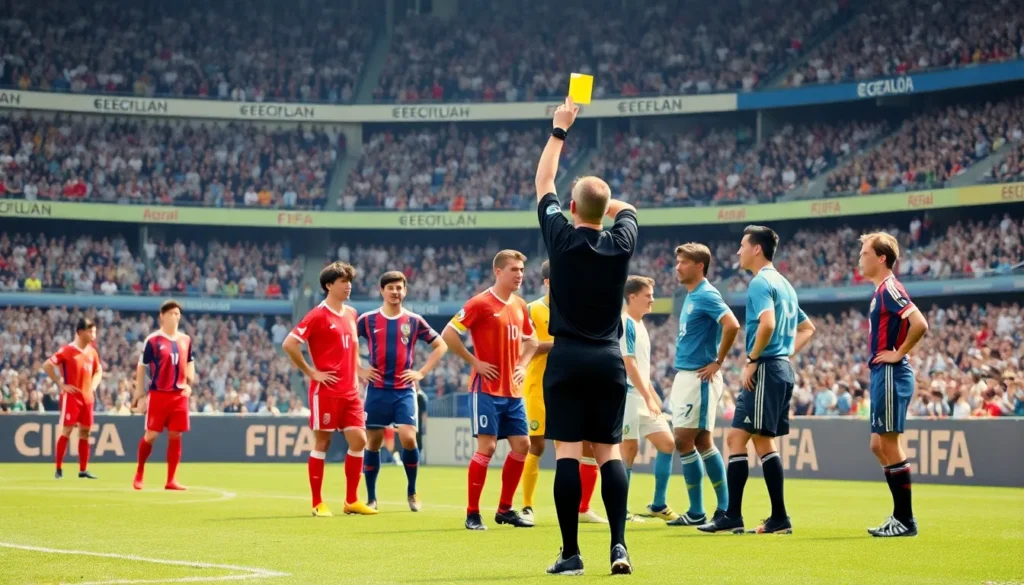
Controversial decisions often shape the narrative of FIFA events, making headlines and igniting debates among fans and analysts alike.
Officiating Controversies
Officiating controversies arise frequently, sparking heated discussions over match outcomes. Notable incidents include the 2006 World Cup when Marco Materazzi’s infamous headbutt on Zinedine Zidane led to a red card. The use of VAR (Video Assistant Referee) technology has not eliminated disputes; instead, it brings new challenges in interpretation and timing. Decisions like a disallowed goal or dubious penalty can alter the course of matches. In many instances, fans question the consistency and accuracy of refereeing, leading to calls for improved training and guidelines.
Scandalous Moments
Scandalous moments have marred FIFA’s reputation, influencing public perception of the organization. The 2015 corruption scandal unveiled widespread bribery, leading to multiple arrests of high-ranking officials. Allegations surrounding the 2022 World Cup bidding process included claims of vote-buying and collusion, prompting investigations that remain ongoing. Additionally, the handling of labor rights issues for workers in host countries stirred controversy and drew international attention. Such incidents highlight ongoing tensions between the sport’s integrity and the business practices surrounding it.
FIFA’s Financial Secrets
FIFA’s finances reveal a complex landscape beyond its public image. Various revenue streams contribute significantly to its overall budget.
Revenue Streams
Broadcasting rights account for a substantial portion of FIFA’s income. Television deals for major tournaments generate billions, making it the largest revenue source. Sponsorship agreements with global brands further bolster financial gains. Ticket sales during events provide additional income, creating a robust financial ecosystem. Merchandise sales also contribute, as fans purchase everything from jerseys to collectibles. These combined efforts illustrate FIFA’s ability to capitalize on the sport’s global appeal.
Expenditures and Investments
FIFA allocates a significant budget towards various expenditures. Investments in grassroots and development programs enhance soccer’s reach worldwide. Funding programs for coaching and infrastructure aims to nurture local talent. Tournament organization costs consume a considerable part of FIFA’s budget, especially for World Cups. Legal expenses related to compliance and corruption investigations also arise, impacting financial planning. These expenditures demonstrate FIFA’s commitment to maintaining a sustainable future for the sport.
Hidden Agendas in World Cup Bidding
World Cup bidding involves intricate processes often shrouded in secrecy. Understanding how host countries emerge requires a closer look at the selection criteria and the factors influencing decisions.
Selection Process Insights
The selection process for World Cup hosts hinges on multiple factors, including infrastructure, financial capability, and political stability. Countries submit detailed bids outlining their plans and facilities, showcasing stadiums, lodging, and transportation systems. An expert panel evaluates these bids based on FIFA’s established criteria. Various stakeholders, including national federations and governments, play pivotal roles in lobbying for their respective countries. Ultimately, decisions frequently reflect not only merit but also strategic interests that may not align with public perception.
Allegations of Corruption
Allegations of corruption have repeatedly tainted FIFA’s reputation during the bidding process. Investigative reports reveal instances of bribery and undue influence affecting host selection. Whistleblowers and leaked documents illustrate how certain bids gained an unfair advantage. An independent review implicated numerous officials in ethical violations, sparking widespread outcry and calls for reform. Despite attempts to increase transparency, skepticism remains regarding how future bids will maintain integrity. The legacy of these scandals continues to overshadow FIFA, leading to greater scrutiny and demands for accountability.
The Role of Media in Uncovering FIFA Secrets
Media serves as a powerful catalyst in revealing FIFA’s secrets. Investigative journalism often brings to light issues like corruption, financial misconduct, and dubious bidding practices. Major news outlets, such as the BBC and The Guardian, regularly publish exposés that examine FIFA’s internal workings, prompting public outcry and demands for reforms.
Social media platforms also play a crucial role. Fans and whistleblowers share information quickly, creating a network of transparency. Each tweet or post can spark conversations about FIFA’s decisions, pushing the organization to respond to public scrutiny.
Documentaries, such as “Fraud: The Inside Story,” provide deep dives into FIFA’s history and controversies. Investigative film crews expose lesser-known stories about players, officials, and the manipulation of the sport for profit. These narratives challenge fans’ perceptions and deepen their understanding of FIFA’s complexities.
Moreover, public relations campaigns can both reveal and obscure FIFA’s actions. During World Cups, media outlets often focus on the spectacle while glossing over financial and ethical dilemmas. Shifting attention to the event’s grandeur sometimes distracts from underlying issues, such as labor rights or environmental concerns related to the tournaments.
Reports from advocacy groups also shed light on hidden aspects of FIFA’s operations. These organizations document human rights abuses linked to World Cup preparations, raising awareness and prompting dialogue. Therefore, media remains intrinsic in holding FIFA accountable while educating the public.
In essence, the media landscape remains vital in unveiling FIFA’s secrets. Through diverse platforms and formats, it challenges the organization, engendering a culture of scrutiny that extends beyond the soccer fields.
FIFA’s secrets add depth to the world of soccer that many fans might overlook. From unusual rules to the complex bidding processes for World Cup hosting, these hidden aspects shape the game in significant ways. The untold stories of legendary players and the organization’s financial dealings reveal a multifaceted landscape where passion meets politics.
The role of media in uncovering these secrets cannot be understated. Investigative journalism and social media have become crucial in holding FIFA accountable, ensuring that the organization remains transparent. As fans continue to engage with the beautiful game, understanding these secrets enhances their appreciation for soccer’s rich history and ongoing evolution.


