
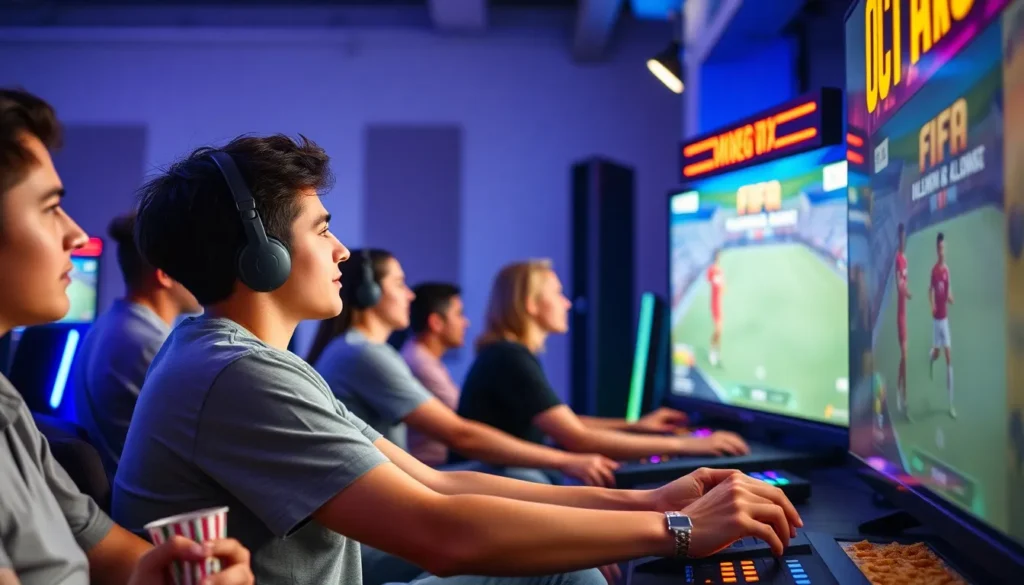
In the world of gaming, few titles spark as much debate as FIFA. Whether it’s the thrill of scoring a last-minute goal or the agony of a missed penalty, fans are passionate about their experiences. But with each new release, gamers often find themselves asking: is this year’s version really worth the upgrade?
Overview Of FIFA Comparison
Gamers often debate the evolving nature of the FIFA series, focusing on gameplay enhancements and graphics improvements. Each annual release provides updates that may or may not resonate with dedicated fans. New features such as gameplay mechanics, graphics fidelity, and player likeness are critical aspects of comparison.
Player experience varies significantly with each iteration. For instance, FIFA 22 introduced Hypermotion technology, enhancing realism through improved animations. Such advancements attract some users while others remain skeptical about the value of such updates.
Critics often highlight incremental changes in the series. Features like Ultimate Team modes may consist of the same core gameplay mechanics, raising questions about innovation. Updates in player ratings based on real-world performances serve to keep players engaged within the FIFA community.
The competitive landscape also influences user decisions. Competing titles like eFootball provide alternatives, prompting deeper evaluations of FIFA’s value proposition. Changes in gameplay balance can impact competitive modes and user satisfaction.
Ultimately, the question of whether each FIFA release warrants an upgrade hinges on individual preferences and gaming styles. Data from user reviews shows varied responses, indicating that while some players embrace each new version, others prefer to wait for more significant changes. The FIFA series continually seeks to maintain relevance in an ever-changing gaming market.
Historical Context
The FIFA video game series has a rich history that shapes current gaming experiences. Initially launched in 1993, the franchise began as a simulation of football, gradually evolving into a globally recognized title.
Development Of FIFA Titles
Each FIFA title development reflects advancements in gaming technology. The shift from 2D graphics to 3D environments marked a significant leap in player immersion. In 1998, FIFA 98 became the first to feature online multiplayer. As generations progressed, FIFA focused on refining gameplay mechanics and enhancing graphics. Recent iterations, like FIFA 22, leverage innovations such as Hypermotion technology. This technology aims to mimic real-world player movements, making gameplay more realistic.
Major Changes Over The Years
Major changes have defined the FIFA series, impacting player engagement. Annual updates introduce new features, such as skills and tactics that keep gameplay fresh. The introduction of Ultimate Team in 2009 transformed the online experience, allowing players to build customized teams. Gameplay realism has improved, with better player likeness through motion capture. User interfaces also evolved, adapting to modern gaming trends. Each change garners mixed reactions, with some praising the enhancements and others criticizing incremental updates.
Gameplay Mechanics
FIFA’s gameplay mechanics play a crucial role in shaping player experiences. These mechanics encompass controls, responsiveness, graphics, and overall presentation.
Controls And Responsiveness
Controls in FIFA games emphasize precision and fluidity. Players experience responsive movements that facilitate seamless gameplay. Each title refines these controls, enhancing the ability to tackle, pass, and shoot accurately. New techniques, like skill moves and precision dribbling, create varied strategies for gamers. The transition from one title to the next often introduces subtle tweaks, making responsiveness feel different. Overall, the mechanics foster an immersive gaming environment, allowing users to execute complex maneuvers effectively.
Graphics And Presentation
Graphics and presentation in FIFA games significantly contribute to the realism and immersion. As the series progresses, visual fidelity improves, showcasing player likeness and stadium details. Contemporary titles leverage advanced technologies, such as ray tracing, to enhance lighting and shadows. Animations become more lifelike, bringing players and matches to life. Crowds react dynamically, further enriching the atmosphere. Each FIFA iteration also updates menus and interfaces, streamlining navigation for players. These enhancements ensure that FIFA remains visually competitive against other sports games in the market.
Game Modes Comparison
FIFA offers multiple game modes catering to diverse player preferences. Each mode delivers a unique experience, enhancing overall gameplay.
Career Mode
Career Mode immerses players in a dual experience, allowing them to take control of a player or manage a team. Players make critical decisions that affect their team’s progress, from transfers to training. Control over tactics and strategies enhances the simulation of real-life management. Progression through seasons adds depth, with players encountering contractual challenges and player development opportunities. Career Mode remains appealing for those seeking a comprehensive football experience that mirrors managerial responsibilities.
Ultimate Team
Ultimate Team focuses on building a custom squad using cards representing players, managers, and consumables. Players can purchase packs or earn rewards to improve their teams while participating in online and offline competitions. Strategic gameplay involves creating synergies between players, enhancing performance based on team composition. Frequent updates introduce new content, with seasonal themes keeping the mode fresh and engaging. The competitive nature of Ultimate Team attracts players who thrive on challenges and player trading, making it a staple in the FIFA series.
Online Modes
Online Modes allow players to compete against others in various formats. Options include online friendlies, tournaments, and competitive ranked matches. Players can face off in real-time, reflecting current skills and strategies. Leaderboards track results, fostering a spirited community as players strive for ranking improvements. While gameplay emphasizes skill, connectivity stability often impacts the experience. Regular updates ensure that new features and improvements enhance the online environment, maintaining player interest and competitiveness in a dynamic landscape.
Player Experience
Player experience in the FIFA series encompasses numerous aspects that directly impact enjoyment and engagement. Key factors include user interface and gameplay mechanics, which influence how players navigate the game.
User Interface and Accessibility
User interface design plays a vital role in player experience. Smooth navigation helps users locate game modes, manage teams, and customize settings. Intuitive layouts enhance accessibility for new players while catering to veterans. The responsiveness of menus contributes to a seamless experience, allowing quick transitions between different game features.
Accessibility options also make FIFA accommodating. Features such as colorblind settings and customizable control mappings ensure that diverse players can enjoy the game. These enhancements foster inclusivity and broaden the player base.
Community Feedback
Community feedback significantly shapes the evolution of the FIFA series. Gamers often express their opinions through forums, social media, and reviews. These insights provide valuable input for developers aiming to meet player expectations.
Feedback impacts game updates and new features. Developers analyze data on gameplay issues and user satisfaction to make informed changes. Engaging with fans showcases the commitment to continuous improvement and aligns future releases with community desires.
The FIFA video game series continues to evoke strong opinions among its dedicated fanbase. As developers strive to innovate while maintaining core gameplay mechanics, players find themselves navigating a landscape of evolving features and graphics. The balance between incremental updates and significant changes plays a crucial role in user satisfaction.
With the competitive gaming market introducing alternatives, FIFA’s ability to adapt and engage its community will determine its future success. Ultimately, the decision to upgrade each year rests with individual gamers and their unique preferences. As the series moves forward, it will be interesting to see how it addresses the diverse needs of its players while staying true to its legacy.


