
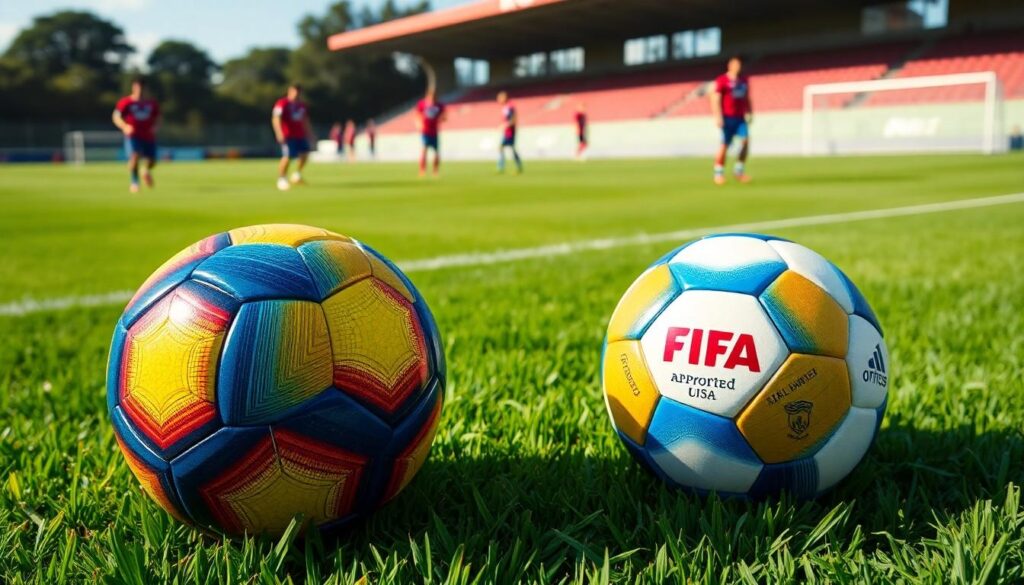
When it comes to soccer, the ball is the unsung hero of the game. From backyard kickabouts to World Cup showdowns, a FIFA-approved soccer ball can make all the difference. These balls aren’t just round and bouncy; they’re engineered for performance, precision, and a touch of magic that can turn a simple kick into a stunning goal.
Overview of FIFA Approved Soccer Balls
FIFA-approved soccer balls meet stringent quality standards established by the sport’s global governing body. Players utilize these balls in both competitive and recreational settings. Each ball undergoes rigorous testing to ensure performance consistency, durability, and optimal handling.
Factors contributing to FIFA approval include shape retention, weight, and water resistance. Shape retention measures how well a soccer ball maintains its form during play. Balls must weigh between 410 and 450 grams. Water resistance is evaluated to guarantee that the ball doesn’t absorb excessive moisture, which can affect gameplay.
Several models have received FIFA’s Quality Pro certification. The Adidas Brazuca, for instance, featured a unique 6-panel design for better ball control. Similarly, the Nike Ordem series has gained popularity for its innovative construction, enhancing accuracy.
FIFA categorizes approved balls into different levels: Quality Pro, Quality, and International Match. Each level represents specific performance criteria essential for professional matches. Quality Pro balls are used in the World Cup and similar high-stakes events, while Quality balls are suited for grassroots competitions.
Manufacturers invest significant effort into the technology behind these balls. Latest advancements focus on materials that enhance flight stability and reduce drag. Various companies combine traditional craftsmanship with modern engineering to create superior products.
FIFA-approved soccer balls play a vital role in the sport’s integrity and quality. Players and teams rely on these balls to deliver a fair and engaging competition, enriching the excitement of the game.
Importance of FIFA Approval
FIFA approval is crucial for ensuring the quality and performance of soccer balls used in the sport. These standards guarantee that players experience consistency during matches and training sessions.
Quality Standards
FIFA implements rigorous quality standards for soccer balls to uphold performance excellence. Each ball must retain its shape, weighing between 410 and 450 grams, ensuring that it meets the necessary expectations for gameplay. Moreover, water resistance prevents moisture absorption, allowing the ball to maintain its characteristics in various weather conditions. The testing process includes evaluations for durability and consistent flight paths. These stringent criteria ensure that only the best balls receive FIFA’s stamp of approval.
Performance Criteria
FIFA classifies approved balls into three categories: Quality Pro, Quality, and International Match. Each category signifies different performance benchmarks tailored for various competitions. For instance, Quality Pro balls are designed for elite matches, providing enhanced control and accuracy. The performance criteria encompass factors like rebound quality, loss of pressure, and stability during flight. Manufacturers dedicate extensive resources to develop technologies that improve ball aerodynamics and reduce drag, enhancing the overall gameplay experience.
Popular FIFA Approved Soccer Balls
FIFA-approved soccer balls are essential in both casual and professional play. Each ball combines innovative design and rigorous testing standards.
Adidas Telstar 18
Adidas Telstar 18 stands as a prominent choice for soccer enthusiasts. This ball features a distinctive black and white design inspired by the original 1970 World Cup ball. Weighing 420 grams, it meets FIFA’s stringent weight requirements. Seamless construction enhances flight stability, allowing for precise passes and shots. The innovative use of synthetic materials ensures durability and water resistance, making it suitable for various weather conditions.
Nike Ordem 4
Nike Ordem 4 showcases advanced technology in soccer ball design. A striking feature includes its use of Aerowtrac grooves for improved accuracy and stability during flight. This ball weighs approximately 420 grams, aligning with FIFA’s guidelines. Players benefit from its excellent grip and feel, thanks to the textured surface. The 30-panel construction enhances shape retention, making it ideal for high-level competitions.
Puma One
Puma One soccer ball emphasizes performance and precision. This ball adheres to FIFA standards, weighing around 440 grams. It integrates a unique 4D grip texture, providing better control during gameplay. The lightweight construction and aerodynamic shape allow for better performance in varying conditions. Players appreciate its responsiveness, making it a popular choice for both training and matches.
Benefits of Using FIFA Approved Soccer Balls
FIFA-approved soccer balls provide numerous advantages that enhance the playing experience. Players and coaches recognize these benefits as essential for achieving optimal performance during games and training sessions.
Enhanced Game Quality
Precision in play increases significantly with FIFA-approved soccer balls. Each ball’s consistent shape retention and weight contribute to reliable performance during games. The strict testing standards guarantee improved rebound quality, resulting in better passing and shooting accuracy. A well-designed ball like the Adidas Telstar 18 allows players to execute passes with greater control. Enhanced flight stability also ensures shots remain accurate, enhancing overall gameplay. Teams notice a marked improvement in match quality when using these certified balls.
Player Safety
Safety of players improves with the use of FIFA-approved soccer balls. Rigorous testing for water resistance reduces the risk of heavy, waterlogged balls that can cause injury. The materials used in these balls also help minimize hard impacts during play. Soft touch technology enhances comfort, especially during long training sessions or intense matches. Players benefit from better handling and touch, leading to reduced chances of mishaps due to poor equipment. Prioritizing player safety is crucial for coaches and teams, making FIFA-approved soccer balls a vital choice.
Purchasing Considerations
Choosing the right FIFA-approved soccer ball involves various factors that impact performance and satisfaction. Players must evaluate aspects such as price range, material, and design before making a purchase.
Price Range
FIFA-approved soccer balls vary widely in price, reflecting their quality and intended use. Most entry-level balls can be found between $20 and $50. Mid-range options, typically offering better features, fall in the $50 to $100 range. Elite-level balls designed for professional matches may cost $100 to $200. Each price bracket provides different benefits, so selecting a ball that meets specific needs is essential.
Material and Design
Materials and design elements play crucial roles in a soccer ball’s performance. High-quality balls often utilize synthetic leather, which enhances durability and touch. Various panels are strategically designed to improve aerodynamics and control. Some balls incorporate seams that minimize water absorption, ensuring optimal handling in wet conditions. Unique designs, like the seamless construction found in the Adidas Telstar 18, can improve flight stability as well. Selecting a soccer ball that prioritizes these features fosters better gameplay and overall satisfaction.
Conclusion
FIFA-approved soccer balls are more than just equipment; they’re essential tools that enhance the game. Their rigorous testing and adherence to strict quality standards ensure that players experience optimal performance and safety. With various options available, from elite Quality Pro balls to more accessible models, every player can find a suitable choice that meets their needs.
Investing in a FIFA-approved soccer ball not only elevates gameplay but also contributes to a consistent and enjoyable experience on the field. As players continue to seek improvement in their skills, using the right ball can make all the difference in achieving their goals.


