In the dark, twisted world of Diablo 4, skills aren’t just flashy moves—they’re your lifeline. Players dive into a chaotic realm where mastering these skills can mean the difference between glorious victory and a spectacular faceplant into the nearest pit of doom. Whether you’re a seasoned demon slayer or a newbie just trying to figure out which button does what, understanding the intricacies of skill trees is crucial.
Overview of Diablo 4 Skills
Diablo 4 features a diverse range of skills, each playing a pivotal role in character development and combat strategy. Players choose from several classes, including Barbarian, Sorceress, Druid, Rogue, and Necromancer; each comes equipped with unique capabilities tailored to specific play styles. Skills categorize into three main types: Basic, Core, and Ultimate. Basic skills focus on generating resources, while Core skills consume those resources for more powerful effects. Ultimate skills provide devastating abilities, impacting the battlefield dramatically.
Skill trees expand as players progress, allowing for customization and specialization. They enable gamers to mix and match skills to suit individual preferences. Players find synergies between skills, enhancing damage output, crowd control, or survivability. Each class provides options to build towards specific endgame scenarios, optimizing performance in PvE and PvP settings.
Game mechanics emphasize the importance of skill upgrades and enhancements. As players invest points, they unlock potent modifiers, altering the base skill effects. Strategic decisions regarding skill selection greatly impact gameplay. Mastering the nuances of skill interaction becomes essential for navigating challenging encounters.
Skill choices significantly contribute to group dynamics in cooperative play. Players coordinating their skill sets can create powerful combos, increasing their effectiveness against formidable foes. Successful teamwork relies on understanding how various skills complement each other.
Gameplay in Diablo 4 thrives on experimentation. Players regularly tweak their skills based on challenges encountered. With frequent updates, the balance of skills can shift, prompting exploration of new builds and strategies. Adapting to these changes fosters a dynamic experience that keeps players engaged.
Skill Categories
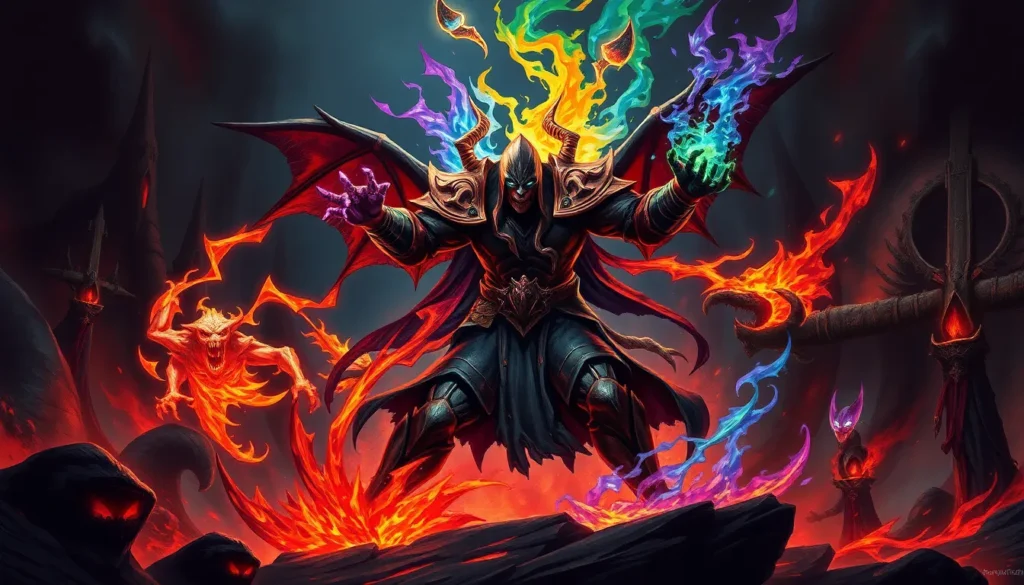
Diablo 4 features a diverse array of skills crucial for character development and combat success. Skills fall into three primary categories: Primary, Secondary, and Ultimate.
Primary Skills
Primary skills serve as the foundation of a character’s abilities. They focus on basic attacks that generate resources essential for using higher-tier skills. Each class offers unique options, tailoring gameplay to various play styles. For example, Barbarians utilize melee strikes, while Sorceresses excel with elemental spells. Players rely on primary skills for sustained damage output and resource management, making them vital during encounters against various enemies.
Secondary Skills
Secondary skills elevate combat effectiveness by providing utility and crowd control options. They often consume resources generated by primary skills, allowing players to unleash more powerful effects. Skill diversity ensures players can choose options that enhance their survivability or increase damage. Rogues may utilize traps for area control, whereas Druids channel nature-based spells to heal or summon allies. Integrating secondary skills into combat plans enhances group dynamics and individual performance.
Ultimate Skills
Ultimate skills represent the pinnacle of a character’s abilities, showcasing their true potential. These powerful skills typically require significant resource investment and possess unique effects that can turn the tide of battle. Using ultimate skills strategically can create openings against formidable foes, often resulting in massive area damage or powerful buffs to allies. Classes like Necromancers summon legions of undead, providing overwhelming offensive capabilities. Investing in ultimate skills offers players significant advantages in challenging encounters.
Skill Tiers and Progression
Skills in Diablo 4 play a critical role in character advancement and overall gameplay strategy. Understanding skill tiers and how they progress can enhance player effectiveness in combat.
Skill Points Allocation
Skill points represent crucial resources for character development. Players earn skill points as they level up, allowing them to unlock new abilities or improve existing ones. Allocating skill points requires strategy, as prioritizing skills that align with chosen play styles maximizes combat efficiency. Players can customize their characters by investing skill points in areas that enhance damage, survivability, or crowd control capabilities. For example, a Barbarian may focus on increasing melee damage while a Sorceress might prioritize elemental spells. Evaluating the synergy between skills also influences effective point allocation.
Skill Unlocking Process
Unlocking skills involves a systematic approach to character development. Players begin with basic abilities and gradually unlock additional skills as they progress through the game. Specific milestones, such as reaching level thresholds, dictate skill availability. The skill tree for each class showcases a visual representation of available skills and their tiers. Decisions about which skills to unlock depend on desired gameplay strategies. For instance, investing in secondary skills early enhances a character’s versatility in combat. Skill unlocking encourages exploration of different builds and playstyles, making it integral to the gaming experience.
Best Skills for Each Class
Skills play a crucial role in defining how each class excels in Diablo 4, allowing players to create unique builds. Dedicated skill trees for each class promote diverse playstyles and strategies.
Barbarian Skills
Barbarians thrive on melee combat and raw power. Skills like Hammer of the Ancients unleash devastating blows against enemies, enhancing damage significantly. Bash generates Fury while stunning foes, aiding crowd control. Rallying Cry boosts movement speed and resource regeneration, providing vital advantages in battle. Wrath of the Berserker serves as an ultimate skill, transforming the Barbarian into an unstoppable force, increasing damage and speed while reducing damage taken.
Sorceress Skills
Sorceresses command elemental magic to dominate the battlefield. Fireball ignites targets, dealing area damage with a significant burn effect. Frost Nova freezes enemies in place, offering crucial crowd control. Teleport enhances mobility, allowing swift repositioning during encounters. Meteor showcases their ultimate power, raining fiery destruction on foes, capable of shifting the battle’s tide dramatically.
Druid Skills
Druids embody nature’s fury through shapeshifting and elemental magic. Tornado conjures storms, ripping through enemies in its path, ensuring a balance between damage and control. Trample allows for swift movement while dealing damage, perfect for closing gaps on enemies. Wild Shift enables shapeshifting, adapting the Druid to various combat scenarios. Cataclysm serves as an ultimate skill, impacting the battlefield with nature’s wrath, significantly affecting large groups of enemies.
Rogue Skills
Rogues excel in speed and precision, focusing on agility in combat. Shadow Step provides instant movement to enemies, enhancing escape tactics or surprise attacks. Flurry unleashes a series of rapid strikes, maximizing damage output while maintaining momentum. Poison Trap immobilizes foes while applying toxins for persistent damage. Heartseeker, as the ultimate skill, delivers a powerful, precise strike that can eliminate vulnerable targets, solidifying their role as assassins.
Necromancer Skills
Necromancers control the dead to overwhelm their adversaries. Raise Skeleton summons loyal minions, providing additional damage and distraction on the battlefield. Bone Spear penetrates foes, delivering high damage through a single target. Corpse Explosion allows them to utilize fallen enemies for massive area damage, turning losses into tactical advantages. Army of the Dead unleashes a horde of undead, overwhelming opponents and showcasing the Necromancer’s ultimate potential, creating chaos in the ranks of enemies.
Mastering skills in Diablo 4 is crucial for navigating its intense challenges. Players must embrace the diversity of skill trees to enhance their gameplay experience and adapt to various situations. Each class offers unique abilities that cater to different strategies and playstyles.
By investing skill points wisely and experimenting with various builds, players can create powerful synergies that maximize their effectiveness in combat. The ongoing evolution of skills ensures that players remain engaged and challenged, making the journey through Sanctuary both dynamic and rewarding. Embracing this complexity not only fosters personal growth but also strengthens team dynamics in cooperative play.